

Football Opens Doors for Rural Girls In Hwange
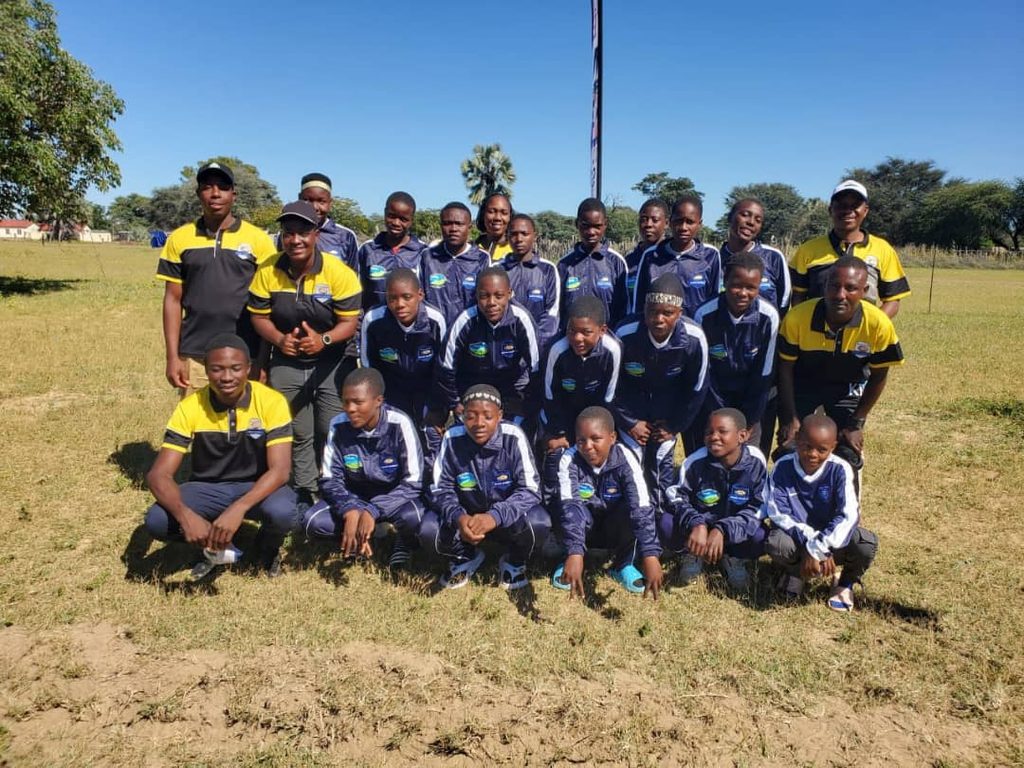
Tawanda Zazu is among the semi-finalists for the Sports Impact Award at The List Awards 2026, recognised for using football to empower rural girls and create opportunities beyond the playing field.
When Zazu was appointed as a teacher at Makwandara in rural Hwange, he encountered girls playing football barefoot with a paper ball as they prepared for the National Association of Secondary Heads (NASH) games.
Speaking with The List Awards by Identities Media, Zazu said the experience made him realise the challenges faced by the rural girl child and motivated him to use his connections within the sports sector to create opportunities for them.
“Having realised the challenges the rural girl child faced, I thought of an intervention I could come up with, since I had strong relationships with a number of people in the sports industry,” he said.
This led to the establishment of the Young Sables Soccer Academy (YSSA), through which Zazu has organised football tours and festivals while also seeking academic scholarships and other opportunities for young girls.
His work has contributed to changing community perceptions, with girls increasingly being viewed as capable of achieving as much as their male counterparts.
Football has also become a platform for conversations around child marriages, drug abuse and teenage pregnancies. Beyond the pitch, YSSA has supported three primary schools in establishing girls’ football teams.
Zazu has further introduced vocational skills such as sewing, poultry farming and baking, recognising the need to provide young people with opportunities beyond sport. The skills are intended to create alternative pathways to livelihoods and self-reliance.
“One key achievement has been managing to use the football environment to spread the message of ending child marriages, drug abuse and teen pregnancies,” he said.
For Zazu, being recognised by The List Awards represents more than an accolade. He views it as an acknowledgement of the potential within the communities he serves and a responsibility to ensure the work grows sustainably.
He believes the nomination has already created new networks, publicity and opportunities that could help expand his work and reach more young people in rural communities.