
Harvard lawyer turns his PhD stipend into a lifeline for Zimbabwean students
Arthur Gwagwa, a Harvard-based human rights lawyer, is using his experience in law, technology and education to create opportunities for Zimbabwean students, particularly those from communities where access to resources remains limited.
Gwagwa is among the semi-finalists for the Human Rights Impact Award at The List Awards 2026, recognising his work in education, mentorship and community development.
Through the AfriCan Community Centre and its online network, Gwagwa has helped more than 100 students find scholarship opportunities, while his Chitungwiza-based learning centre provides children with a safe place to study, access technology and develop skills often unavailable in under-resourced communities.
In a conversation with The List Awards by Identities Media TV, Gwagwa explained that his journey into human rights law and community work was influenced by people who showed him that it was possible to achieve globally while remaining connected to the communities one serves.
“I became a global human rights lawyer, now based at Harvard, after being inspired by Barack Obama, the first Black president of the Harvard Law Review. Meeting him in 2014 during the launch of the Mandela Washington Fellowship showed me I could follow a similar path.” said Gwagwa
Gwagwa later became the first African to edit the Stanford Journal of Online Trust and Safety before joining Harvard. Despite his international career, he has remained committed to creating opportunities for young people in Zimbabwe.
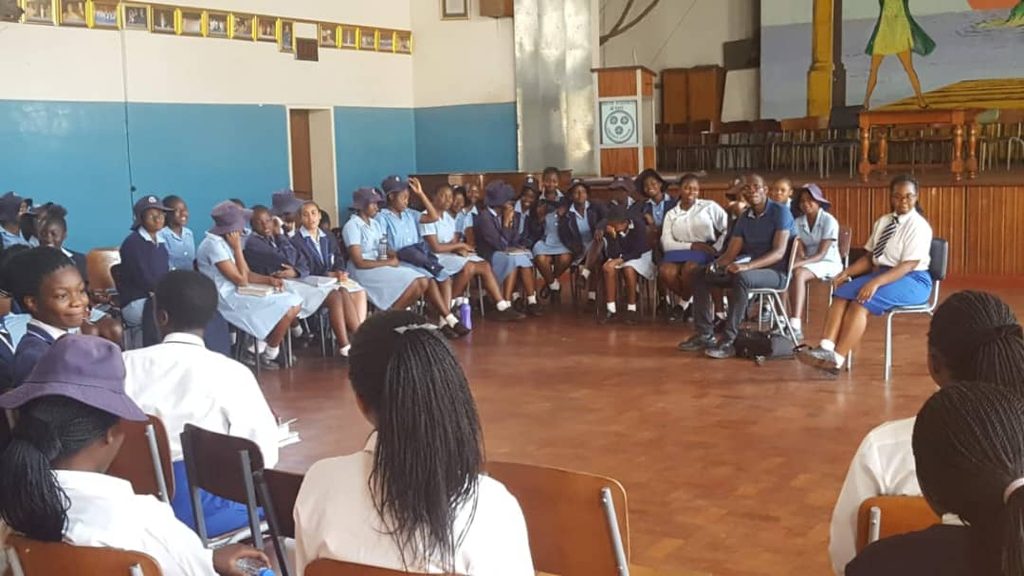
Inspired by Mahatma Gandhi’s example of living among the people he served, Gwagwa established the Chitungwiza Community Learning Centre using his PhD stipend, without donor funding. During examination periods, the centre hosts more than 100 children daily, while younger learners have access to a safe environment where they can study, play and explore subjects such as robotics.
His work has also extended beyond Chitungwiza to schools and communities in areas including Tsholotsho, Doma and Binga, where he has worked to address barriers to education such as poverty and sexual abuse. Through the Lincoln Kachidza Foundation and the Chitsike Sisters Fund for Girls, he has also supported more than 100 students through high school since 2018.
For Gwagwa, recognition at The List Awards would provide an opportunity to make this work more visible and encourage others to invest in young people.
“I want to win not for myself, but for children from backgrounds like mine, and for those far-flung in areas such as Binga, Tsholotsho, Uzumba, and the Doma areas where I have been.” he said
His vision extends beyond scholarships, with plans to expand robotics and artificial intelligence programmes while encouraging students to explore law, human rights, anthropology and philosophy. Through education, mentorship and practical skills, Gwagwa hopes to help Zimbabwean children remain connected to their roots while becoming confident and globally relevant.